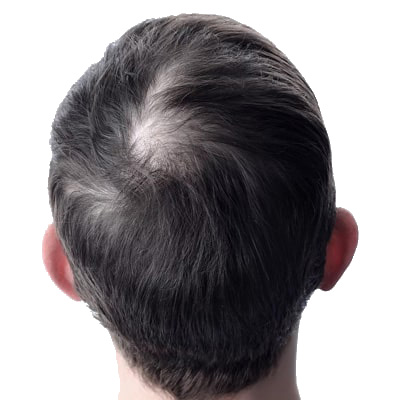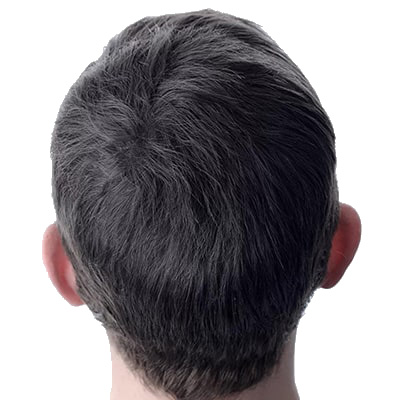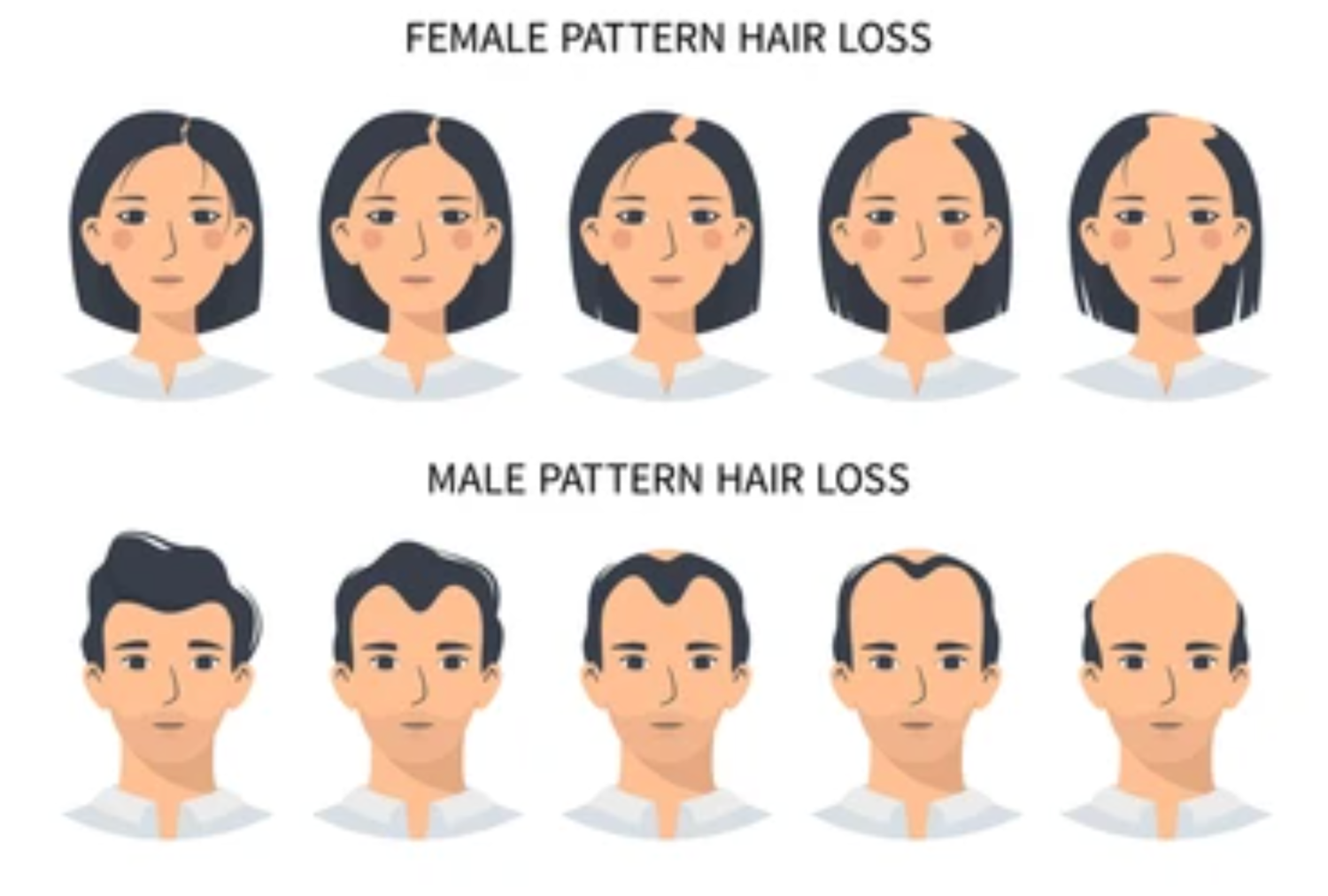
Androgenetic alopecia, commonly known as male or female pattern baldness, is the most prevalent form of hair loss affecting millions worldwide. This hereditary condition results from a combination of genetic factors and hormonal influences, particularly the effect of dihydrotestosterone (DHT) on hair follicles. At our clinic, we understand the emotional and psychological impact of progressive hair loss and offer advanced treatment solutions tailored to each patient’s unique needs. Our comprehensive approach combines cutting-edge technology with proven medical expertise to restore not just your hair, but your confidence and quality of life.
Our Procedures
Advanced FUE Techniques
Minimally invasive extraction methods with precision instruments for optimal graft quality and natural hairline design.
Proven Success Rate
Over 95% graft survival rate with consistent, predictable outcomes that restore density and coverage.
Seamless Integration
Transplanted hair blends perfectly with existing hair, following natural growth patterns and angles for undetectable results.
Global Best Practices
Certified techniques adhering to international hair restoration standards and protocols for patient safety and satisfaction.
Advantages of Hair Transplantation for Androgenetic Alopecia
Screening Plans
Comprehensive evaluation to determine your suitability for hair transplantation and develop a personalized treatment strategy.
- Detailed scalp analysis assessing hair loss pattern, progression rate, and donor area density.
- Hormonal and medical history review to identify underlying factors contributing to hair loss.
- Microscopic hair and scalp examination to evaluate follicle health and miniaturization levels.
- Digital imaging and hair mapping to design optimal hairline placement and distribution.
- Donor area assessment calculating available grafts for current and potential future procedures.
- Personalized treatment roadmap outlining procedure details, expected outcomes, and post-operative care protocols.